q
Welcome to the world of Green Impact

TRANSFORMATIVE THINKING

AWARENESS GENERATES TRANSFORMATIVE SOLUTIONS

“It’s the little things citizens do. That’s what will make the difference.
My little thing is planting trees.”
(Wangari Maathai – Nobel Peace Prize 2004)

WHY
CHOOSE
GREEN IMPACT

We rely on a multidisciplinary approach, technological innovation, and a stakeholder network to generate a transformative impact on social justice and welfare policies concerning nature, animals, and human society.

We work to generate real change impacts in the short and medium term and to disseminate specialist knowledge on implementation of our projects and development of our themes.

OUR PROJECTS
and our commitment to positive change.

temi-generali

BECOME A MEMBER

Featured

SICILY – HUNTING: BIRDS TEMPORARILY SAFE AS SICILY’S ADMINISTRATIVE COURT OVERTURNS THE REGION’S DECISION

By an order issued on 27 July 2026, following an appeal filed by the Federazione Nazionale Pro Natura and LEAL, with the support of CABS and Green Impact, the Sicily Regional Administrative Court (TAR Sicilia) suspended the hunting calendar adopted by the Sicily Regional Government. The Court upheld all the key arguments raised by the environmental organisations, which were represented by lawyers D’Agostino, Giovinazzo, and Loprete.

Green Impact & Plastic Soup: “Microplastics in blood, brain and placenta: new report warns of urgent gaps in EU law ahead of EU Ministers’ meeting”

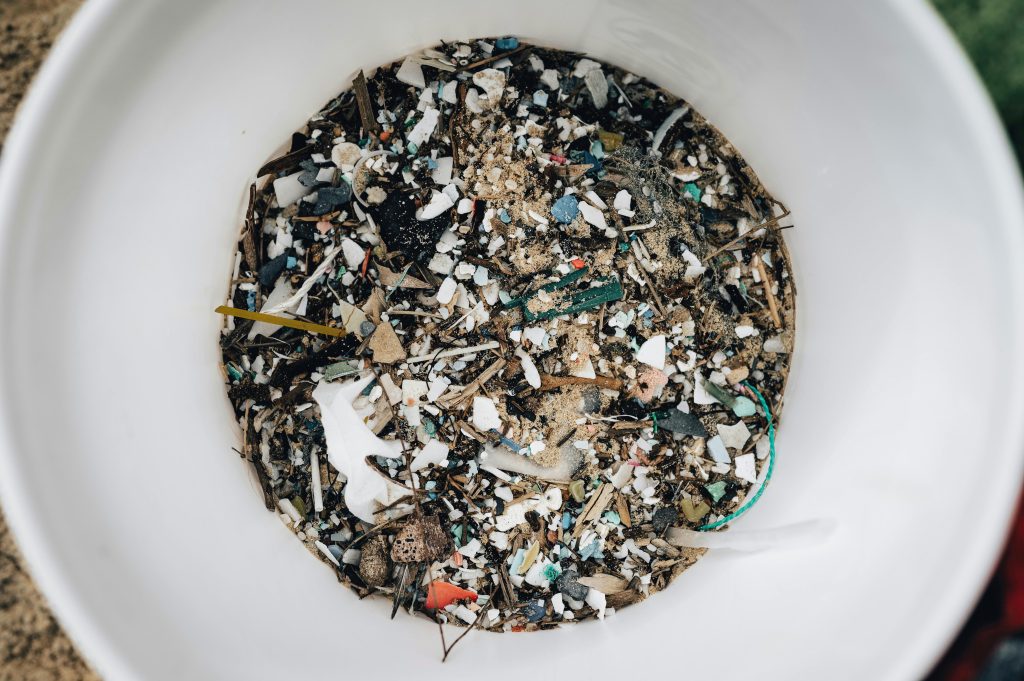
Brussels, 22 July 2026 — A new report, based on peer reviewed evidence and published by Plastic Soup Foundation, in collaboration with Green Impact, found current EU legislation fails to prevent microplastics’ spread in human blood, breast milk, lungs, brain tissue, placenta, and children’s urine, and warns that microplastics and nanoplastics constitute an escalating public health crisis.

Our Team

LEADERS AND CONTRIBUTORS

ANIMAL OF THE MONTH

    THE FROG

    A fascinating fact about frogs is that some species can breathe not only through their lungs, but also through their skin, absorbing oxygen directly from the water or surrounding environment.

    Frogs are amphibians and generally live in humid environments, near ponds, lakes, and streams. Their life cycle is particularly fascinating: they are born as tadpoles, live in water, and undergo metamorphosis, developing legs and lungs as they become adults.

    Frogs also play an important role in ecosystems by helping control insect populations. Their presence can also indicate the health of natural environments, as they are highly sensitive to pollution and changes in their habitat.

    September 2026