q
Welcome to the world of Green Impact
 

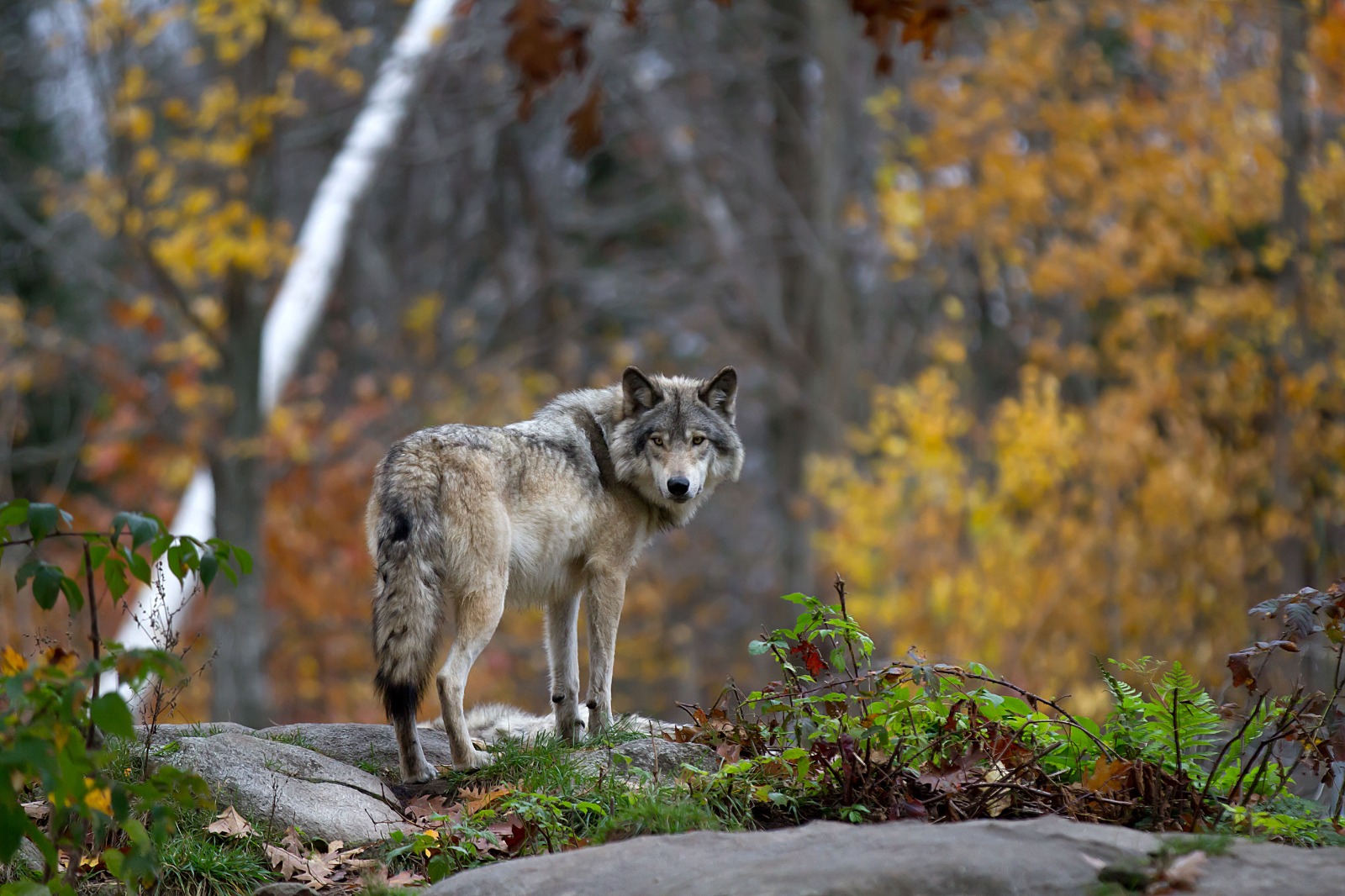
Wolves are environmental engineers

WHY ARE WOLVES ENVIRONMENTAL ENGINEERS?

Wolves function as environmental engineers by indirectly shaping ecosystems through their role as apex predators.

By creating both direct predation pressure and a persistent risk of predation, wolves alter the foraging behavior of their prey, limiting where, when, and how long prey species use certain habitats.

These behavioral changes cascade through ecosystems, influencing vegetation growth, forest succession, and ecological processes near water bodies and across landscapes. In this way, wolves help regulate natural disturbances and play a key role in maintaining the structure and dynamics of forest ecosystems.

Read more here.

WHY WE ARE COMMITTED TO PROTECTING THE WOLF IN EUROPE

Follow the European Campaign.

Wolves and Ecotourism:

 wolf-watching an incredible source of economic wealth

Nature-based tourism focused on wolves is a synergistic source of nature conservation and territorial wealth for those who understand and manage it. A 2022 study in Yellowstone National Park in the USA found that wolf-watching generated an income of 82 million dollars for local economies and ensured 3200 jobs (https://greateryellowstone.org/blog/2022/wolfquotas).

A CALL for SCIENTISTS

PLEASE TAKE ACTION FOR WOLVES by 30 NOVEMBER 2024

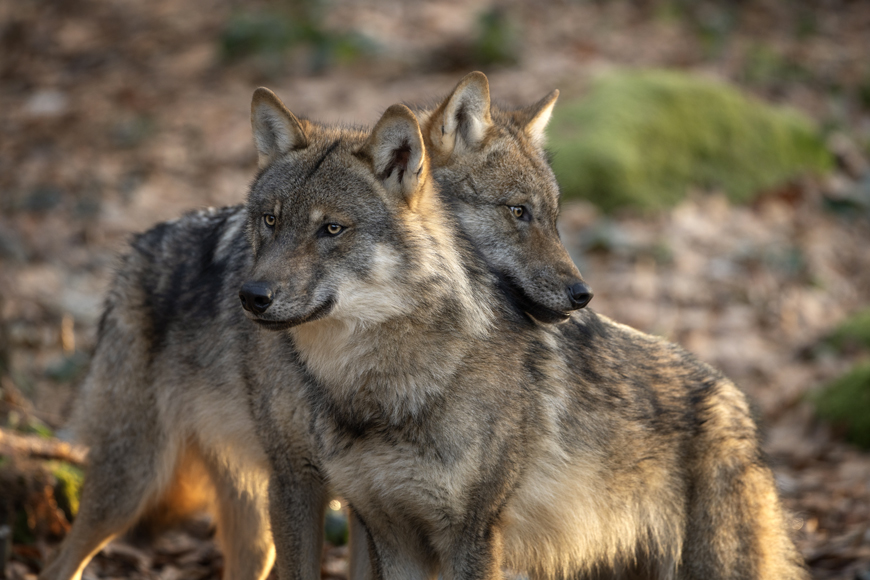
The European Commission, led by Ursula Van der Leyen, has convinced most of the EU Member States to weaken the protection of the European Grey wolf (Canis lupus). The European Commission wants to delist the wolves from current legislative regimes (the Bern Convention on the Conservation of Wildlife and Natural Habitats and the EU Habitat Directive), however such a move is not supported by scientific evidence.

We need a Quick Action from the scientific community to secure that wolf conservation policies would not be rooted in political games as well as prevent that wolves will be persecuted and killed indiscriminately.
Green Impact’s Legal Actions in Italy for the Protection of the Wolf

Legal Actions in 2025

The case is currently open and ongoing.

On December 6, 2024, five environmental and animal protection organizations, including Green Impact (Italy), Earth (Italy), One Voice (France), LNDC Animal Protection (Italy), and Great Lakes and Wetlands (Hungary), filed an appeal before the General Court of the EU seeking the annulment of the September 26, 2024, EU Council Decision setting the EU proposal to downlist the protection status of the wolf at the Standing Committee meeting of the Bern Convention. The appeal was accepted on February 17, 2025, and published in the Official Journal of the EU.

2024: The Bolzano Case (Italy)

The case was concluded with a ruling issued in February 2025 by the Administrative Court in favor of no killing.

Green Impact supported the case by filing an intervention in the administrative appeal of the associations LEAL, ZAMPE CHE DANNO UNA MANO, LEIDAA, and OIPA against the request for the culling of two wolves put forward by the Province of Bolzano.
The case is particularly significant as it raises issues regarding the protection of species, such as the wolf, which is protected under European law, including the Habitat Directive, which sets strict measures for the conservation of wildlife species and their habitats.

2023: the Trento case (Italy)

The case was concluded with an Administrative Court ruling in favor of no killing.

Green Impact provided support by submitting an act of intervention in the administrative appeal filed by the associations LEIDAA, OIPA, and ENPA against the request for the culling of two wolves presented by the Province of Trento. Additionally, it submitted a Declaration signed by International Experts. The legal case has European significance, as the wolf is a strictly protected species under European legislation (Habitats Directive). Over time, the European Court of Justice has progressively interpreted this protection in a more restrictive manner.
The predation incidents at the center of the legal proceedings are attributable to the failure of the malghe (mountain farms) involved to implement preventive measures.